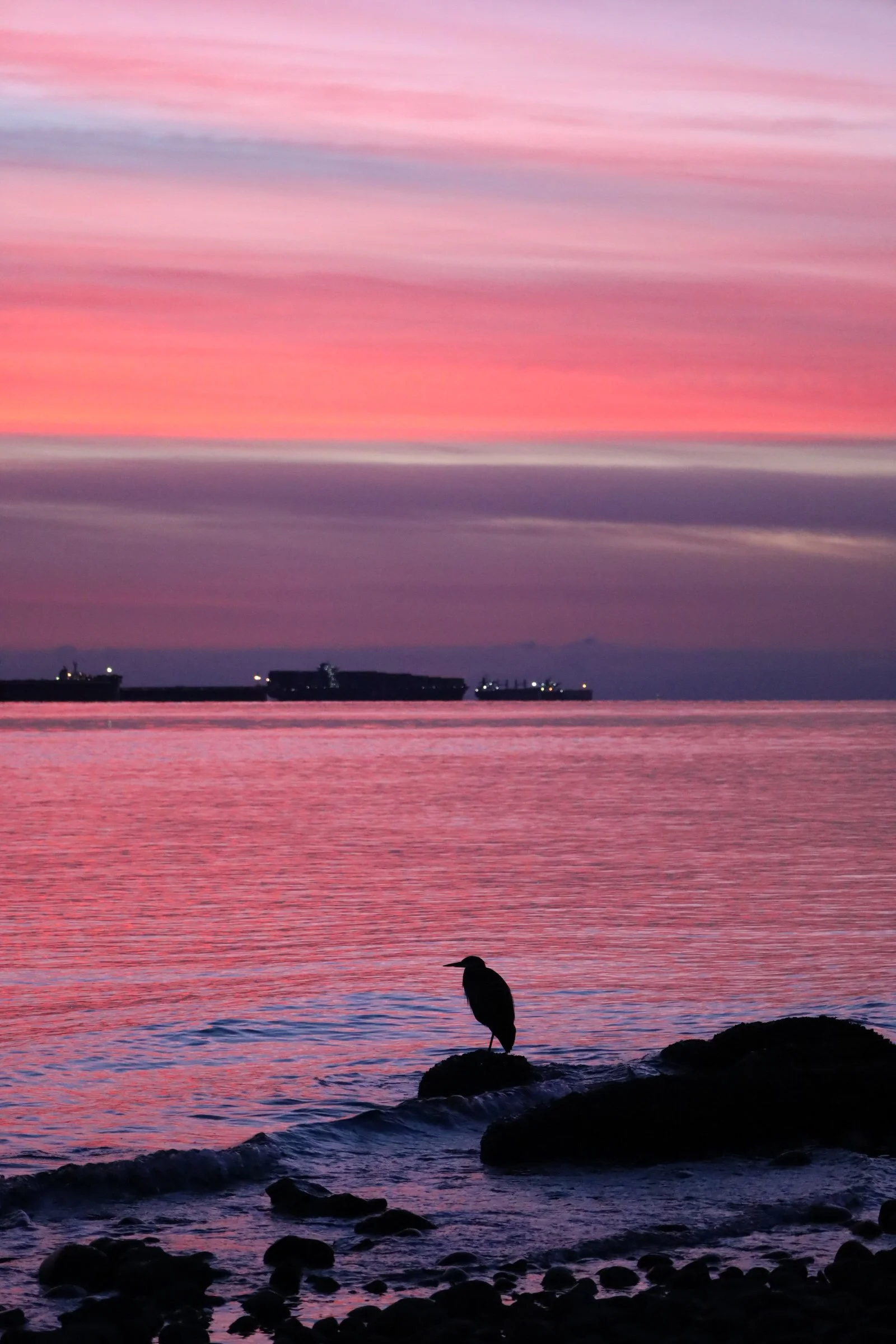
We Already Said No
Mark Carney said no to Washington. Canada is calling it courage.
When First Nations said no on our own land, Canada sent 400 RCMP officers and fired 77,000 rounds at us. Gustafsen Lake, 1995 — living memory, in the same territory West Fraser just abandoned.
Carney's "no" cost him a phone call and some tariffs. Ours has cost blood, jail time, and a decades-old wait for an inquiry.
That gap is why First Nations need to build our own capacity to say no — the kind backed by balance sheets, not one that puts bodies in front of armoured carriers. Tsq'escen' proved it: West Fraser didn't leave because we blocked a road. They left because we didn't need their deal.
What would it take for your Nation to know its own number — the one that tells you whether you can afford to walk away?
That's what we're building at Sklow Analytics. Full piece below, link to learn more in comments.
Beyond Gitxaa̱la: Building Proactive Governance and Dispute Resolution in British Columbia
Gitxaa̱la and Ehattesaht did not go to court because they wanted to, they went because they were not heard. If British Columbia wants certainty, it should not weaken DRIPA. It should strengthen the processes that ensure First Nations are heard before conflicts ever reach the courts.
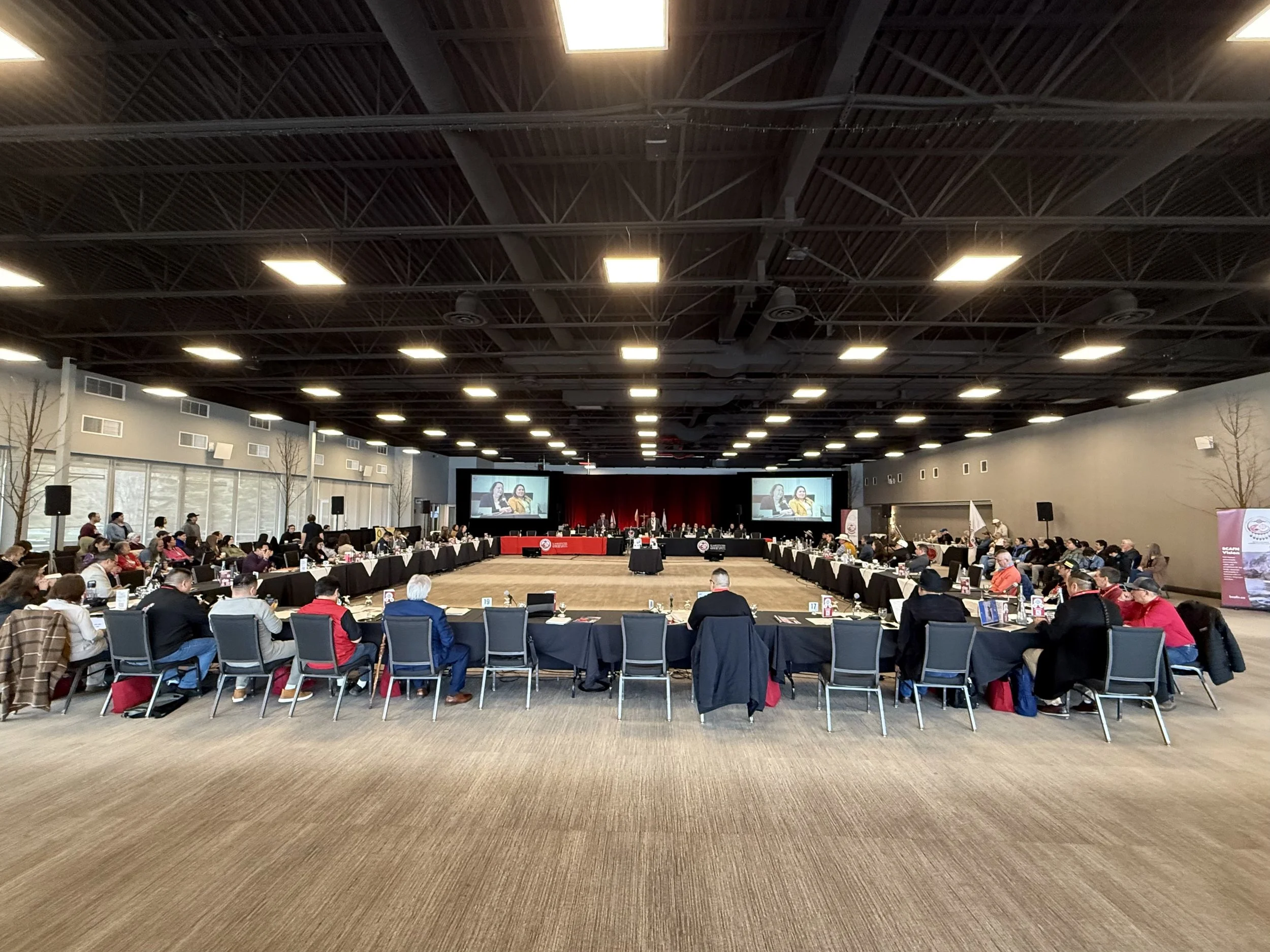
Certainty Must Run Both Ways: Indigenous Economic Statecraft and the Power of Uncertainty
Some thoughts about the Role of Indigenous Economic Sanctions and Economic Certainty as Province of BC Seeks to roll back commitment to Indigenous Rights.
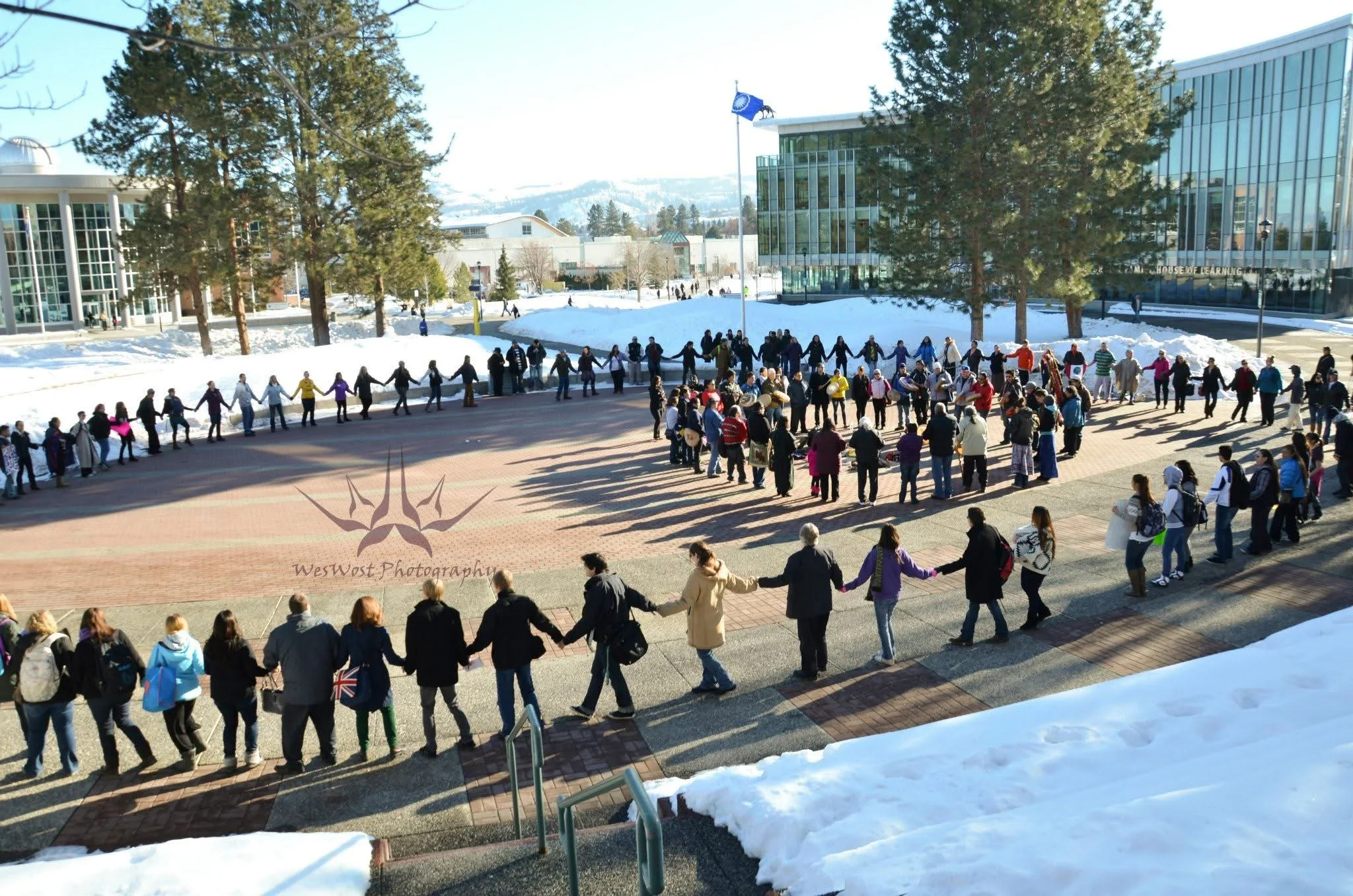

Lessons from Apsassin v. Councillor Yahey:Why Governance Matters for First Nations Finances
Leadership under the microscope: the Apsassin v. Yahey decision underscores courts’ growing enforcement of First Nations accountability. This verdict demands transparent governance and financial compliance. Are your leaders meeting the bar?